
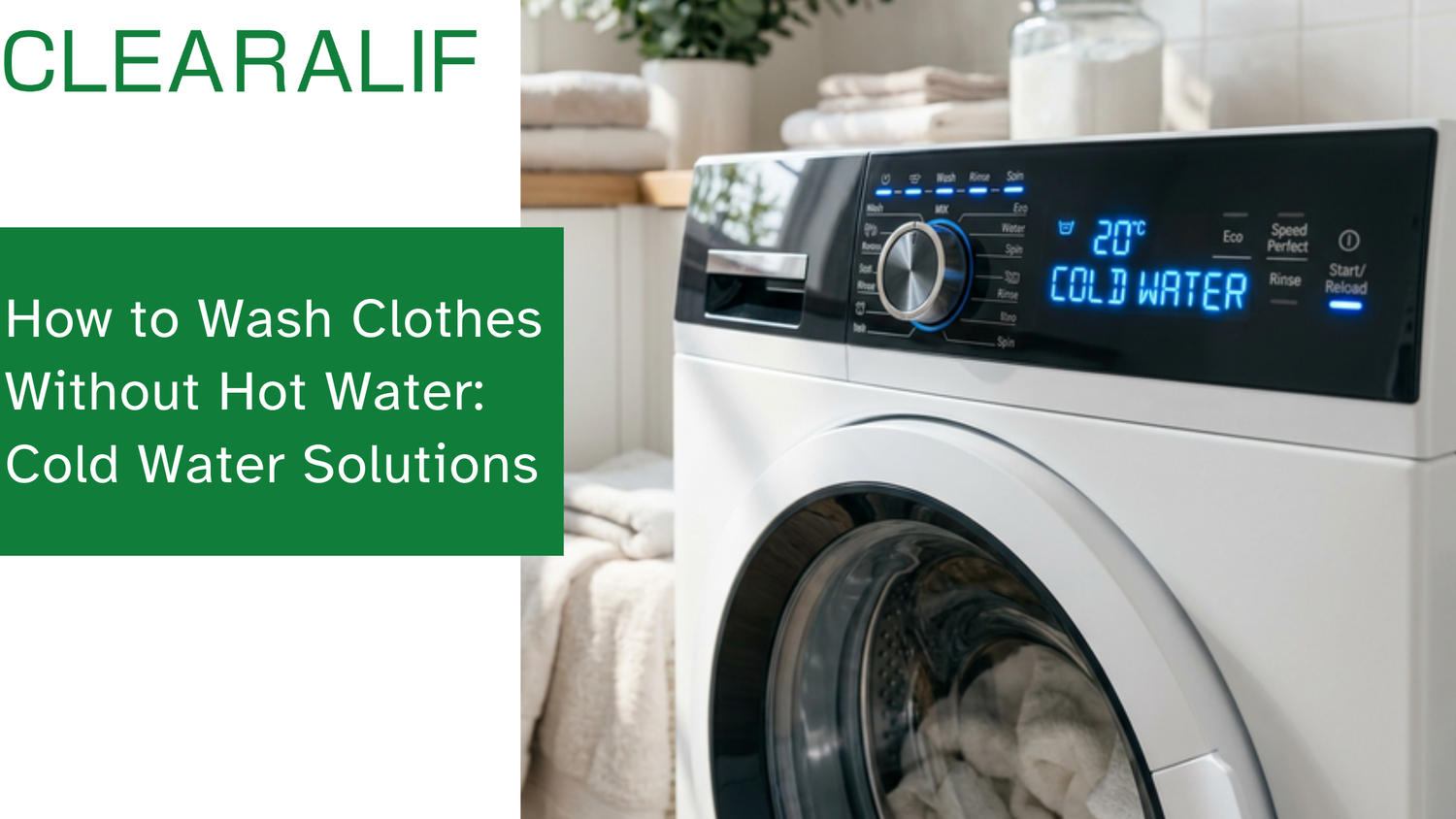
Whether your water heater is broken, you're trying to save money on utility bills, or you're simply looking for more eco-friendly cleaning methods, learning how to wash clothes without hot water is a valuable skill. The good news? Cold water laundry detergent and modern washing techniques can deliver surprisingly effective results that rival traditional hot water methods.
Why Cold Water Washing Is Actually Better Than You Think
The Science Behind Cold Water Cleaning
Modern laundry detergents have come a long way from the soap flakes your grandmother used. Today's cold water formulations contain powerful enzymes that actually work better at lower temperatures. These biological catalysts break down proteins, starches, and fats without needing heat activation.
Surfactants—the molecules that lift dirt and oils from fabric—have also been redesigned to maintain their effectiveness in cold water. These ingredients reduce surface tension, allowing water to penetrate fabric fibers more effectively, even at lower temperatures.
Environmental and Cost Benefits of Cold Water Washing
Switching to cold water washing can reduce your laundry's energy consumption by up to 90%. Since heating water accounts for roughly 75% of a washing machine's energy use, this translates to significant savings on your utility bills—potentially $50-100 annually for the average household.
From an environmental perspective, cold water washing dramatically reduces your carbon footprint. The reduced energy demand means fewer greenhouse gas emissions, making this simple switch one of the easiest ways to make your household more sustainable.
Common Myths About Cold Water Laundry Debunked
Many people believe hot water is necessary for sanitization, but this isn't entirely accurate. While hot water can kill some bacteria, most home washing machines don't reach the 140°F+ temperatures needed for true thermal sanitization. The mechanical action of washing combined with detergent is what removes most germs and bacteria.
Another common misconception is that cold water can't remove stains effectively. In reality, hot water can actually set certain stains—particularly protein-based ones like blood or sweat—making them harder to remove. Cold water keeps these stains from binding to fabric fibers.
Essential Cold Water Laundry Detergents and Products
Best Cold Water Detergent Formulations

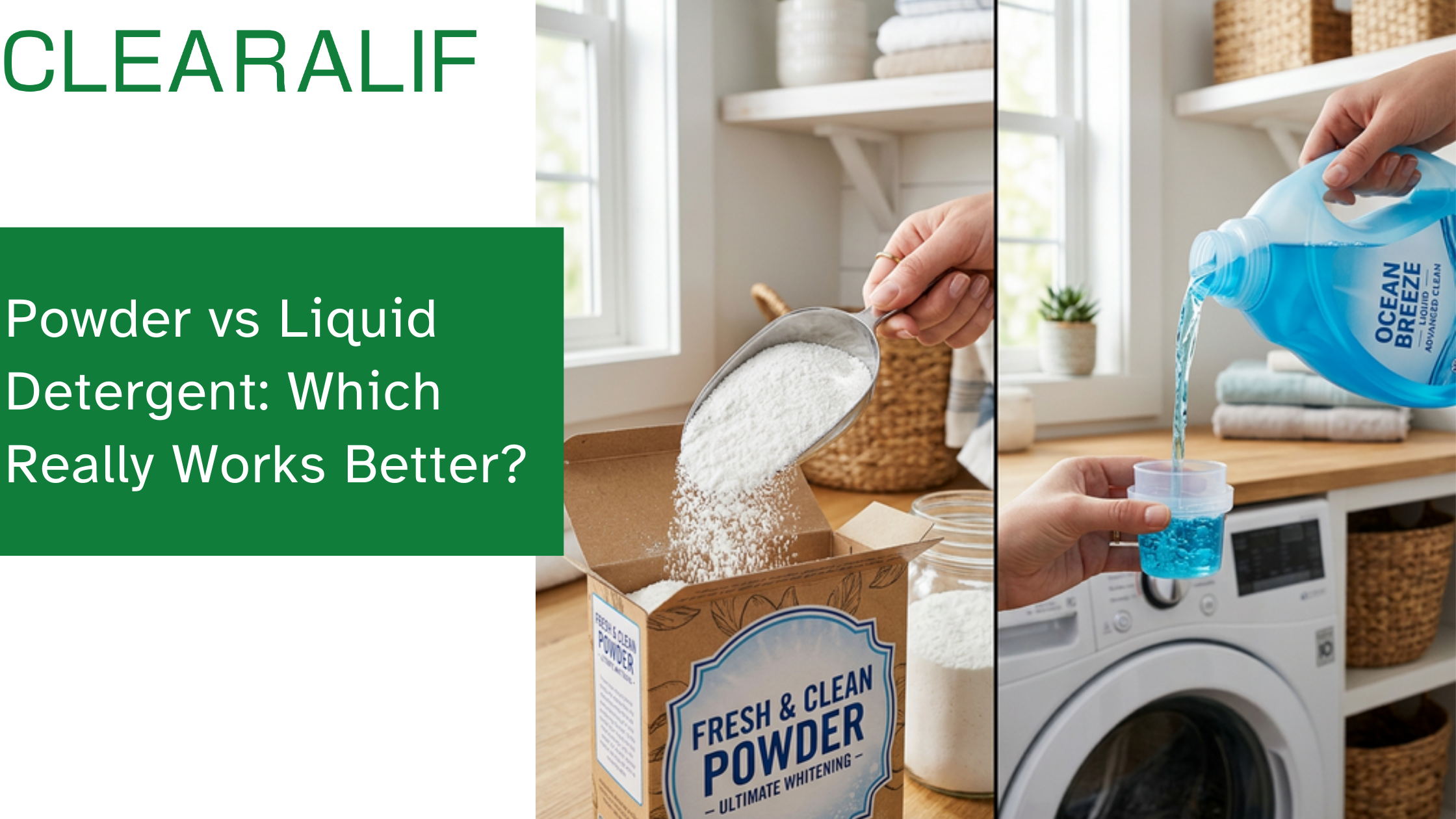
Look for detergents specifically labeled as "cold water" or "works in all temperatures." These formulations contain higher concentrations of enzymes and specialized surfactants. Concentrated liquid detergents typically perform better in cold water than powders, which may not dissolve completely at lower temperatures.
For those seeking convenient, eco-friendly options, products like CLEARALIF Laundry Detergent Sheets dissolve effectively in cold water while offering plastic-free packaging and low-sudsing formulas that work well in HE machines.
Boosting Agents for Cold Water Washing
Oxygen bleach (sodium percarbonate) works well in cold water and provides extra cleaning power without the harshness of chlorine bleach. Add 1/4 cup to your regular detergent for heavily soiled loads.
Pre-treatment products designed for cold water can tackle stains before they set. Look for enzyme-based spot treatments that you can apply 5-10 minutes before washing.
DIY Cold Water Cleaning Solutions
Create an effective cold water pre-treatment by mixing equal parts liquid dish soap and hydrogen peroxide. This combination works particularly well on organic stains and can be applied directly to problem areas.
For a homemade cold water detergent booster, combine 1/2 cup baking soda with 1/4 cup white vinegar (add them separately to avoid neutralization). This mixture helps soften water and boost cleaning power.
Step-by-Step Guide to Washing Clothes in Cold Water
Pre-Treatment Techniques for Maximum Effectiveness
Start by sorting clothes not just by color, but by soil level. Heavily soiled items benefit from longer pre-treatment times—up to 30 minutes for tough stains.
Apply pre-treatment products generously and work them into the fabric with your fingers or a soft brush. For protein stains like blood or sweat, rinse with cold water first to prevent setting, then apply your pre-treatment.
Optimal Washing Machine Settings and Techniques
Use the longest wash cycle available when washing in cold water. The extra agitation time compensates for the reduced chemical activity at lower temperatures. However, avoid overloading your machine—clothes need room to move freely for effective cleaning.
If your machine has a pre-wash cycle, use it for heavily soiled loads. This extra step helps loosen dirt before the main wash cycle begins.
Special Considerations for Different Fabric Types
Cotton and cotton blends respond well to cold water washing and actually last longer when not exposed to hot water regularly. Synthetic fabrics like polyester release fewer wrinkles when washed in cold water.
For delicates, cold water is often preferable regardless of cleaning concerns, as it prevents shrinkage and color fading. Use a gentle cycle and consider placing delicate items in mesh laundry bags.
Cold Water Stain Removal Strategies
Treating Common Stains Without Hot Water

For grease stains, apply liquid dish soap directly to the spot and let it sit for 15 minutes before washing. The surfactants in dish soap are specifically designed to cut through oils and fats.
Protein stains like blood respond well to enzyme-based pre-treatments. Make a paste with meat tenderizer (which contains enzymes) and cold water, apply to the stain, wait 30 minutes, then wash as usual.
Set-in stains often require patience rather than heat. Create a soaking solution with oxygen bleach and cold water, and let the item soak overnight before washing.
Emergency Stain Removal When Hot Water Isn't Available
For fresh stains, speed is more important than water temperature. Blot (don't rub) liquid spills immediately, then rinse with cold water from the inside of the fabric to push the stain out rather than deeper into the fibers.
Keep a stain removal pen or spray in your laundry area for immediate treatment. These products are formulated to work in cold water and can prevent stains from setting while you wait to do laundry.
Cleaning Dishes with Cold Water Only

Cold Water Dishwashing Techniques That Actually Work
When cleaning dishes with cold water only, proper scraping is essential. Remove all food particles before washing—cold water won't soften stuck-on food like hot water does.
Use more dish soap than you normally would, and let dishes soak longer in soapy water. The extended contact time helps the surfactants work more effectively at lower temperatures.
Sanitizing Dishes Without Hot Water or Dishwasher
Create a sanitizing rinse by adding 1 tablespoon of bleach to 1 gallon of cold water. After washing dishes normally, dip them in this solution and air dry—don't towel dry, as this can reintroduce bacteria.
Alternatively, use white vinegar as a natural sanitizing rinse. While not as powerful as bleach, vinegar's acidity helps kill many common bacteria and leaves dishes streak-free.
Troubleshooting Common Cold Water Washing Problems
Dealing with Dingy or Gray Clothes
If clothes start looking dingy, it's often due to detergent buildup rather than inadequate cleaning. Run an empty hot water cycle with 2 cups of white vinegar to clean your machine, then resume cold water washing.
Add 1/2 cup of baking soda to your regular cold water wash once a month to help maintain brightness and remove buildup from fabrics.
Addressing Detergent Residue and Build-up
Liquid detergents generally dissolve better in cold water than powders. If you prefer powder detergent, dissolve it in a small amount of warm water before adding it to the cold wash.
Don't use more detergent thinking it will clean better—excess soap creates residue that actually attracts dirt. Follow package directions or use slightly less than recommended.
Improving Cleaning Power When Results Fall Short
If cold water washing isn't delivering the results you want, try extending your wash time rather than increasing temperature. Most modern machines allow you to customize cycle length.
Consider upgrading to a high-efficiency detergent designed specifically for cold water washing. These formulations often contain more concentrated active ingredients that work better at lower temperatures.
Long-Term Solutions and When to Seek Help
Temporary Workarounds vs. Permanent Cold Water Strategies
If you're washing in cold water due to a broken water heater, focus on pre-treatment and longer wash cycles as temporary measures. However, if you're making a permanent switch to cold water washing for environmental or economic reasons, invest in quality cold water detergents and pre-treatment products.
Upgrading Your Laundry Setup for Cold Water Success
Consider investing in a high-efficiency washing machine if you're committed to cold water washing. These machines are designed to work more effectively with modern detergents and use mechanical action more efficiently.
Stock up on enzyme-based stain removers, oxygen bleach, and other cold water-friendly products. Having the right tools makes cold water washing much more successful.
Knowing When Professional Help Is Needed
If you're a renter dealing with no hot water, know your rights—most jurisdictions require landlords to provide adequate hot water. Document the issue and contact your landlord or local housing authority if necessary.
For homeowners, a lack of hot water usually indicates water heater problems that require professional repair. While cold water washing can work temporarily, addressing the underlying issue is important for overall household functionality.
Cold water washing isn't just a backup plan—it's often a better choice for your clothes, your wallet, and the environment. With the right techniques and products, you can achieve excellent cleaning results while reducing your energy consumption and extending the life of your garments.





Dejar un comentario
Este sitio está protegido por hCaptcha y se aplican la Política de privacidad de hCaptcha y los Términos del servicio.