
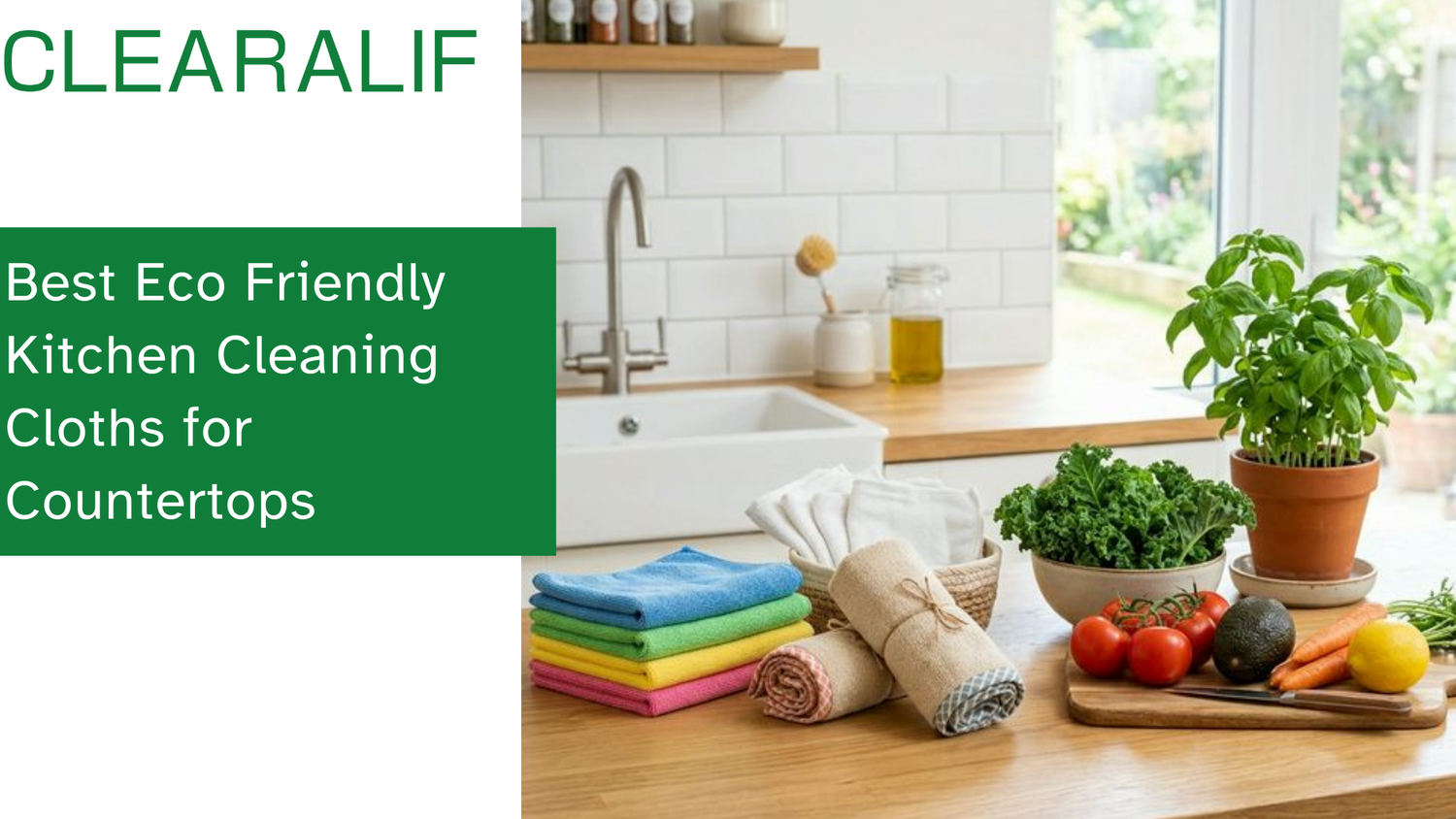
Making the switch to eco friendly kitchen cleaning cloths is one of the simplest yet most impactful changes you can make in your home. If you're tired of constantly buying paper towels and want to reduce your environmental footprint while maintaining a spotless kitchen, reusable cleaning cloths offer the perfect solution. These sustainable alternatives not only help protect the planet but can also save you hundreds of dollars annually while providing superior cleaning power for your countertops.
Why Switch from Paper Towels to Eco-Friendly Kitchen Cleaning Cloths
The Environmental Impact of Paper Towel Waste
The statistics around paper towel consumption are staggering. The average American household uses 2-3 rolls of paper towels per week, contributing to the 13 billion pounds of paper towels thrown away annually in the US alone. This massive consumption drives deforestation, with millions of trees cut down each year specifically for single-use paper products.
Beyond the trees, paper towel production requires enormous amounts of water and energy, while the bleaching process releases harmful chemicals into our waterways. When you multiply this impact across millions of households, the environmental cost becomes overwhelming.
The Hidden Costs of Single-Use Paper Products
Most families spend $150-300 annually on paper towels without realizing it. Those seemingly small purchases at $15-20 per shopping trip add up quickly. Over five years, you're looking at $750-1,500 spent on products that get thrown away after a single use.
Compare this to investing $30-50 in high-quality reusable cleaning cloths that can last 2-3 years with proper care. The math is clear – switching to washable microfiber cleaning cloths or other reusable alternatives pays for itself within just a few months.

Health Benefits of Chemical-Free Cleaning Solutions
Many paper towels contain bleaches, dyes, and formaldehyde-based wet-strength additives that can leave residues on your countertops and food prep surfaces. When you switch to natural fiber cleaning cloths, you eliminate these chemical exposures while often achieving better cleaning results.
Addressing Hygiene Concerns with Reusable Kitchen Cleaning Cloths
Understanding Bacterial Growth on Kitchen Surfaces
The biggest concern people have about reusable cleaning cloths is hygiene. It's true that damp cloths can harbor bacteria if not properly managed. However, with the right practices, hygienic kitchen cleaning rags are actually more sanitary than paper towels, which can spread bacteria around surfaces rather than truly removing it.
Bacteria thrive in moist, warm environments. The key is ensuring your cloths dry completely between uses and get properly sanitized regularly. Modern eco-friendly cloths are designed with quick-dry technology and antimicrobial properties that naturally inhibit bacterial growth.
Best Practices for Maintaining Clean Reusable Cloths
After each use, rinse your cloth thoroughly with hot water and wring it out completely. Hang it in a well-ventilated area where air can circulate around it. Never leave damp cloths bunched up in a drawer or basket.
For daily sanitizing, you can rinse cloths with white vinegar or hydrogen peroxide. These natural antibacterial agents kill germs without harsh chemicals. Rotate between multiple cloths so each one has time to dry completely before its next use.
When to Replace vs. When to Wash Your Cleaning Cloths
Establish a regular washing schedule – ideally every 2-3 days for heavily used kitchen cloths. Use hot water and a quality detergent. CLEARALIF Laundry Detergent Sheets work excellently for this purpose since they dissolve completely in hot water and are designed to tackle tough stains without leaving residues.
Replace cloths when they start to smell even after washing, develop permanent stains, or lose their absorbency. Quality microfiber cloths should last 200-300 wash cycles with proper care.
Top Types of Eco-Friendly Kitchen Cleaning Cloths
Washable Microfiber Cleaning Cloths
Microfiber cloths are the workhorses of sustainable countertop cleaning solutions. Their ultra-fine fibers create millions of tiny hooks that grab and hold dirt, bacteria, and spills more effectively than paper towels. They're incredibly absorbent – capable of holding up to seven times their weight in liquid.
High-quality microfiber cloths can be washed hundreds of times without losing effectiveness. They work brilliantly with just water for most cleaning tasks, eliminating the need for chemical cleaners on your food prep surfaces.
Bamboo Fiber Kitchen Towels
Bamboo fiber cloths offer natural antibacterial properties thanks to a bio-agent called "bamboo kun" that naturally resists bacteria and odors. Bamboo is also one of the most sustainable materials available – it grows incredibly fast without pesticides and regenerates from its roots without replanting.
These cloths are softer than microfiber, making them ideal for delicate surfaces, while still providing excellent absorbency. They're naturally hypoallergenic and get softer with each wash.

Cotton and Linen Reusable Cleaning Rags
Traditional cotton and linen cloths remain popular choices for good reason. They're highly absorbent, durable, and completely natural. Organic cotton options eliminate concerns about pesticide residues, while linen offers exceptional durability and becomes more absorbent over time.
These natural fiber options work best for general wiping and drying tasks. They're also the most affordable option if you're crafty enough to repurpose old t-shirts or towels into cleaning rags.
Essential Features to Look for in Sustainable Countertop Cleaning Solutions
Antibacterial and Antimicrobial Properties
Look for cloths treated with natural antimicrobial agents or made from materials with inherent antibacterial properties like bamboo or copper-infused fibers. These treatments help prevent bacterial growth between washes without relying on harsh chemical treatments.
Absorbency and Quick-Dry Technology
The best antibacterial kitchen cleaning towels combine high absorbency with fast-drying capabilities. This prevents the damp conditions where bacteria thrive. Microfiber excels here, but many bamboo and specially-woven cotton cloths also offer quick-dry properties.
Durability and Wash Cycle Longevity
Invest in cloths that can withstand at least 200 wash cycles. Look for reinforced edges, quality stitching, and materials that won't break down quickly. While the initial investment might be higher, durable cloths provide better long-term value.
How to Create a Hygienic Reusable Cloth System
Setting Up Multiple Cloth Rotation
Success with reusable cloths requires having enough on hand for proper rotation. Aim for 6-8 cloths minimum – this allows you to use 2-3 per day while others are drying or being washed. Consider color-coding: blue for countertops, green for appliances, white for dishes.
Daily Cleaning and Storage Protocols
After each use, rinse thoroughly with hot water, wring out excess moisture, and hang in a ventilated area. Never store damp cloths in closed containers. If you're dealing with raw meat or other high-risk contamination, wash the cloth immediately rather than letting it sit.

Weekly Deep Cleaning and Sanitizing Methods
Wash kitchen cloths separately from other laundry using hot water and a quality detergent. For natural sanitizing, add half a cup of white vinegar to the rinse cycle. Dry completely – either in the dryer on high heat or hung in direct sunlight, which has natural antibacterial properties.
Comparing Reusable Paper Towel Alternatives
Performance Comparison: Absorption and Cleaning Power
In head-to-head tests, quality microfiber cloths consistently outperform paper towels for absorption and cleaning effectiveness. They pick up and hold more liquid, trap more dirt and bacteria, and can be rinsed and reused multiple times during a single cleaning session.
Bamboo cloths offer comparable absorbency with the added benefit of natural odor resistance. Cotton cloths, while less absorbent than microfiber, still outperform paper towels and excel at streak-free drying.
Cost Analysis: Initial Investment vs. Long-Term Savings
A starter set of 8 quality cleaning cloths costs $25-40. Compare this to spending $150-300 annually on paper towels. Within 2-3 months, the cloths pay for themselves. Over five years, you'll save $600-1,400 while reducing waste significantly.
Environmental Impact Assessment
Switching to reusable cloths eliminates hundreds of pounds of paper waste annually per household. The carbon footprint of manufacturing reusable cloths is recovered within weeks through eliminated paper towel production and transportation impacts.
Making the Transition: Your Step-by-Step Guide
Starting Your Eco-Friendly Kitchen Cleaning Journey
Begin by purchasing a small set of different cloth types to see what works best for your needs. Don't throw away your remaining paper towels – use them up while you develop new habits. Start using reusable cloths for simple tasks like wiping counters and drying dishes.
Troubleshooting Common Concerns and Challenges
If cloths develop odors, increase washing frequency and ensure they're drying completely. If they're not cleaning effectively, you might be using too much detergent, which can leave residues that reduce absorbency. When washing microfiber, avoid fabric softeners which coat the fibers and reduce their effectiveness.
Maintaining Motivation for Sustainable Cleaning Habits
Track your savings by noting how long it takes to use up your last roll of paper towels. Most people are surprised by how much money they save. Remember that every cloth use represents waste prevented and money saved – small actions that add up to significant impact over time.
Making the switch to eco friendly kitchen cleaning cloths is easier than you might think. With proper selection, care, and rotation, these sustainable alternatives provide superior cleaning power while protecting both your wallet and the environment. Start small, stay consistent, and enjoy the satisfaction of a cleaner kitchen and a cleaner conscience.






Leave a comment
This site is protected by hCaptcha and the hCaptcha Privacy Policy and Terms of Service apply.