
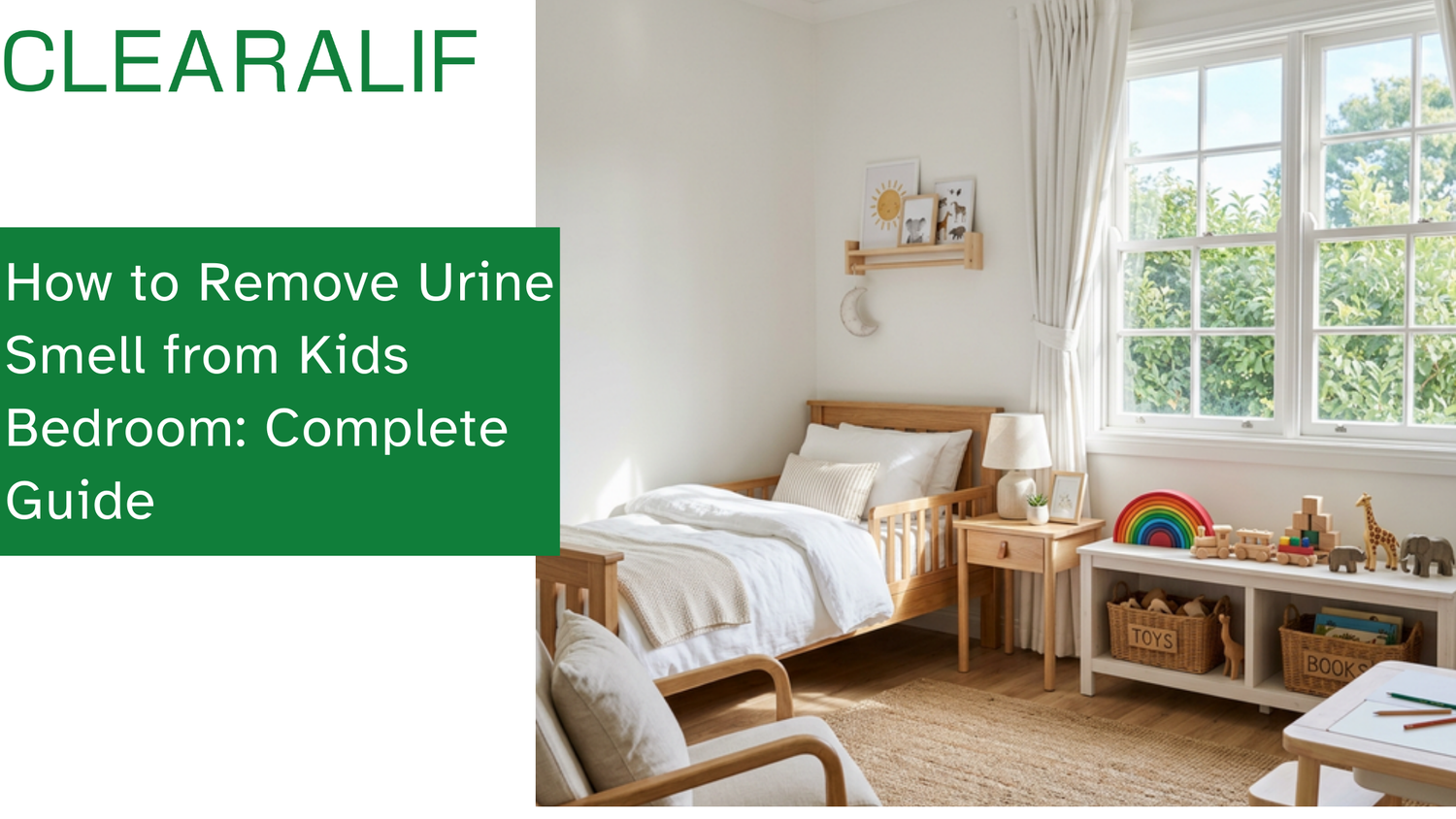
Every parent has been there – you walk into your child's bedroom and are hit with that unmistakable, persistent urine smell that seems to have taken up permanent residence. Learning how to remove urine smell from kids bedroom spaces can feel overwhelming, especially when you've already tried multiple cleaning attempts without success. The good news? With the right approach and understanding of what causes these stubborn odors, you can completely eliminate them and prevent their return.
Understanding Why Kids' Bedrooms Develop Mysterious Urine Odors
Common Hidden Sources of Urine Smell in Children's Rooms
The mystery odor in your child's bedroom likely stems from sources you haven't discovered yet. Nighttime accidents are the most obvious culprit, but urine can end up in surprising places. Toddlers learning to use the potty might have accidents near their bedroom door while rushing to the bathroom. Sometimes children don't want to interrupt playtime and have small accidents that they try to hide or clean up themselves.
Pets can also contribute to the problem, especially if they've claimed your child's room as their territory. Even house-trained animals might have accidents in bedrooms, particularly on soft surfaces like rugs or bedding that retain their scent.
Why the Smell Spreads to Adjacent Rooms
Urine odors don't stay contained to one spot. As moisture evaporates, odor molecules become airborne and circulate through your home's ventilation system. Carpet padding acts like a sponge, absorbing liquids and spreading them across a wider area than the visible surface stain. Porous materials like wood subflooring, drywall, and fabric furniture can absorb and slowly release odor molecules over time.
The Science Behind Persistent Urine Odors
Understanding why regular cleaning fails helps explain why you need specialized approaches. Urine contains uric acid, which forms crystals as it dries. These crystals are largely insoluble in water, meaning regular soap and water cleaning only addresses surface contamination. The crystals remain embedded in materials, continuing to produce odor, especially in humid conditions when they reactivate.
Bacterial growth compounds the problem. As bacteria feed on the organic compounds in urine, they produce additional odor-causing substances. This is why the best odor eliminator for boys bedroom situations often involves enzyme-based products that break down both the original uric acid crystals and eliminate the bacteria causing ongoing odor production.
Detective Work: Finding the Hidden Source of Bedroom Odors
Systematic Room Inspection Techniques

Start your investigation by following your nose methodically. Check obvious areas first: around the bed, near the doorway to the bathroom, and any area where your child spends significant time playing. Get down to your child's level – literally. Crawl around and sniff near the floor where odors concentrate.
A blacklight can reveal old urine stains that aren't visible to the naked eye. Turn off the lights and scan the room systematically. Urine will glow under blacklight, helping you identify contaminated areas you might have missed.
Checking Less Obvious Places Where Accidents Happen
Don't limit your search to floor surfaces. Check behind the bed where children might have accidents while sleeping. Examine closet corners where kids might have had emergencies while playing hide-and-seek. Toy boxes and storage areas can harbor odors if accidents occurred during playtime and weren't properly addressed.
Areas near windows, heating vents, or air conditioning units can concentrate and circulate odors throughout the room. These spots often require special attention during the cleaning process.
Deep Cleaning Methods to Eliminate Persistent Urine Smell
Enzyme Cleaners: Your Most Powerful Weapon

Enzyme cleaners are specifically designed to eliminate persistent odor in children's room by breaking down the molecular structure of urine components. Unlike regular cleaners that mask odors, enzymes actually digest the organic compounds causing the smell.
Apply enzyme cleaner generously to affected areas and allow it to work for the full recommended time – usually 10-15 minutes minimum. The enzymes need time to break down the uric acid crystals completely. For severe odors, you might need multiple applications.
Carpet and Fabric Deep Cleaning Techniques
To remove stale urine smell from carpet and fabric, you'll need to address contamination that has penetrated beyond the surface. Steam cleaning can help, but only after enzyme treatment has broken down the odor-causing compounds. For severe contamination, you might need to treat the carpet padding underneath or even replace it entirely.
When cleaning fabric items like curtains, stuffed animals, or bedding, pre-treat with enzyme cleaner before washing. Use cold water to prevent heat from setting any remaining odors. For particularly stubborn odors in washable fabrics, consider using CLEARALIF Laundry Detergent Sheets, which dissolve completely in cold water and work effectively without leaving residue that might trap odors.
Hard Surface and Wall Cleaning Strategies
Don't overlook walls, baseboards, and furniture surfaces. Urine can splash higher than you might expect, and these surfaces can absorb and hold odors. Clean walls with an enzyme solution, paying special attention to areas behind beds or near accident-prone zones.
Wooden furniture and floors require special care. Avoid oversaturating wood surfaces, but ensure you're treating any absorbed odors with appropriate enzyme cleaners designed for use on wood.
Prevention Strategies to Keep Kids' Rooms Fresh

Creating Odor-Resistant Bedroom Environments
Choose materials that resist odor absorption and are easy to clean thoroughly. Hard flooring surfaces are easier to clean completely than carpeting. If you prefer carpet, consider low-pile options that don't trap odors as readily as thick, plush carpeting.
Improve ventilation in your child's bedroom with fans or air purifiers. Better air circulation prevents odor molecules from settling into fabrics and surfaces.
Teaching Kids Proper Hygiene and Accident Management
Create an environment where children feel comfortable reporting accidents immediately rather than trying to hide them. Explain that quick action makes cleanup easier and prevents odors from developing. Keep cleaning supplies accessible so older children can begin cleanup themselves while waiting for adult help.
Regular Maintenance Routines That Actually Work
Establish weekly deep-cleaning routines that go beyond surface tidying. Monthly mattress and carpet inspections can catch problems before they become major odor issues. Seasonal deep cleaning should include washing all bedding, curtains, and washable room accessories.
Troubleshooting: When the Smell Keeps Coming Back
Identifying Ongoing vs. Residual Odor Issues
If odors return after cleaning, determine whether you're dealing with incomplete initial cleaning or ongoing new contamination. Fresh accidents will have different characteristics than residual odors from previous incidents.
Advanced Treatment Options for Stubborn Cases
For severe cases where standard enzyme cleaning hasn't resolved the problem, consider professional-grade treatments. Some situations might require treating subflooring, replacing carpet padding, or using specialized equipment to deep clean kids room bad smell that has penetrated building materials.
Creating an Action Plan for Odor-Free Kids' Bedrooms
Develop a systematic approach: identify all contaminated areas, treat with appropriate enzyme cleaners, allow proper drying time, and implement prevention strategies. Document what works for your specific situation so you can address any future issues quickly and effectively.
Remember that completely eliminating established urine odors often takes patience and multiple treatment cycles. With persistence and the right techniques, you can restore your child's bedroom to a fresh, pleasant environment that both you and your child will enjoy.





Leave a comment
This site is protected by hCaptcha and the hCaptcha Privacy Policy and Terms of Service apply.