
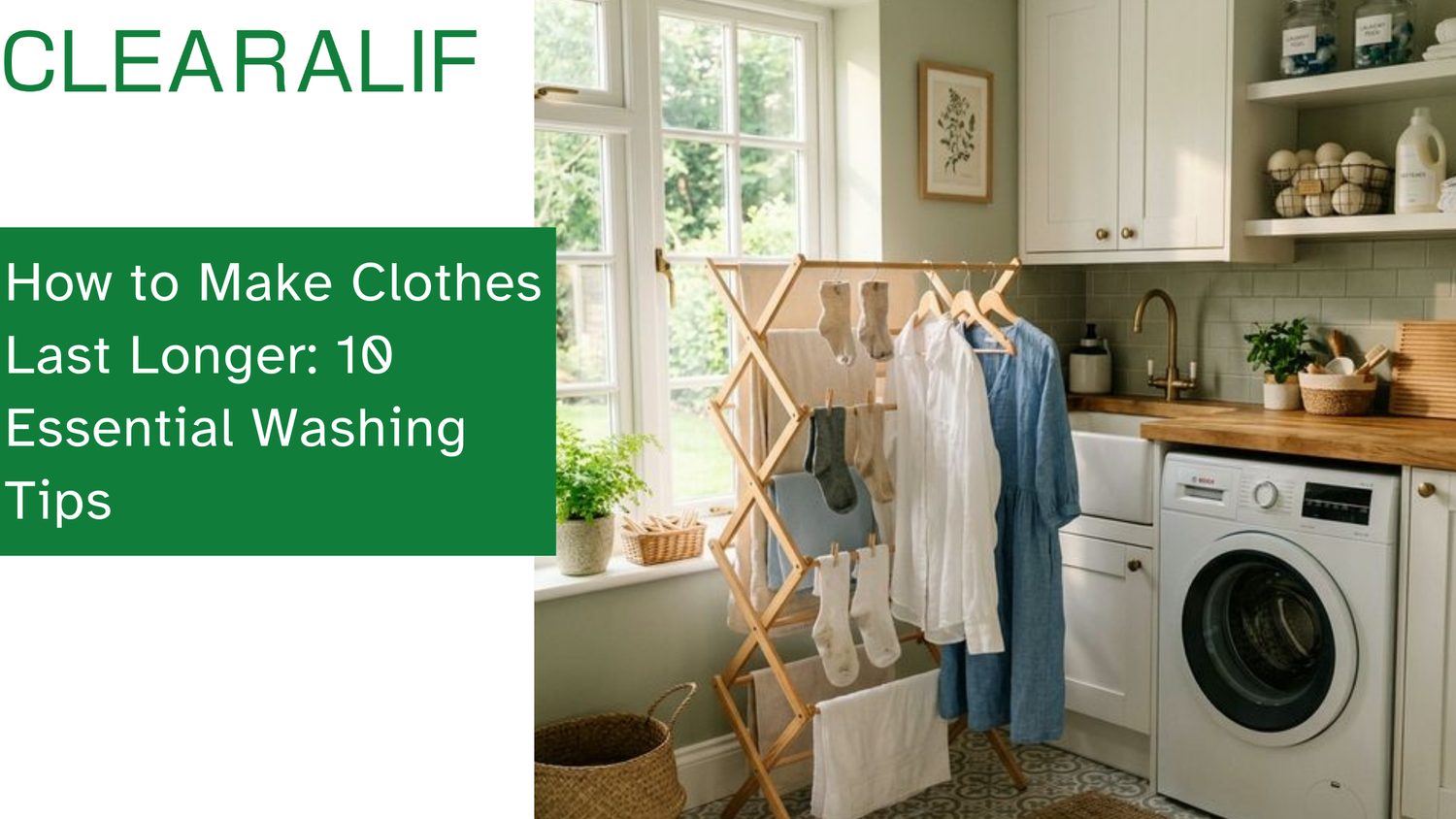
How to Make Clothes Last Longer: 10 Essential Washing Tips
Your favorite shirt doesn't have to become a casualty of laundry day. Learning how to make clothes last longer washing them properly can save you hundreds of dollars annually while keeping your wardrobe looking fresh and new. With the right laundry habits to extend clothing life, you can preserve fabric quality and maintain that just-bought appearance for years to come.
Most of us treat laundry as a mundane chore, but it's actually a skill that directly impacts our budget and style. By implementing these proper washing techniques for garment care, you'll transform your laundry routine from a fabric destroyer into a preservation powerhouse.
Understanding Fabric Care Fundamentals
Know Your Fabric Types and Their Needs
Different fabrics have unique personalities, and treating them all the same is like feeding a goldfish and a Great Dane identical portions. Cotton loves a good warm wash but can shrink with heat, while synthetic blends prefer cooler temperatures to maintain their shape and moisture-wicking properties.
Delicate materials like silk, wool, and lace require gentle handling and often benefit from hand washing or delicate cycles. Natural fibers generally handle washing better than heavily processed materials, but they're also more prone to shrinkage and color bleeding.
Reading and Following Care Labels
Those tiny symbols on your clothing tags aren't suggestions—they're survival guides. The temperature dots, washing basin symbols, and drying instructions are based on extensive testing to determine what keeps that specific garment looking its best.
When in doubt, always err on the side of caution. A garment labeled for cold water washing might survive a warm wash once or twice, but repeated exposure to higher temperatures will gradually break down fibers and fade colors.
The Science Behind Fabric Deterioration
Understanding why clothes wear out helps you prevent it. Heat, friction, and harsh chemicals are the three main culprits. Heat breaks down elastic fibers and can cause shrinkage, while excessive agitation creates pilling and weakens fabric structure. Chemical damage from over-detergent use or bleach alternatives can make fabrics brittle and prone to tearing.

Master the Art of Load Separation
Beyond Basic Color Sorting: Advanced Separation Techniques
Color sorting is laundry 101, but fabric weight separation is the graduate course. Heavy items like jeans and towels create more agitation, which can damage lighter fabrics. Mixing a delicate blouse with heavy work pants is asking for trouble.
Soil level matters too. Lightly soiled items don't need the same intensive washing as heavily stained work clothes. Washing them together means over-washing the clean items and potentially under-cleaning the dirty ones.
Why Towels and Bedding Need Their Own Loads
Towels are lint factories, and that fuzz has to go somewhere—usually onto your other clothes. Bath towels also require more detergent and hotter water to get truly clean and sanitized, conditions that might be too harsh for your everyday clothing.
Bedding presents similar challenges. Sheets can tangle around smaller items, preventing proper cleaning and potentially stretching or tearing delicate fabrics.
Creating an Efficient Sorting System
Set up multiple hampers or bags for different categories: lights, darks, delicates, and heavily soiled items. This daily sorting habit eliminates the pre-wash scramble and ensures you're always ready for an efficient laundry session.
(https://clearalif.com/blogs/laundry-tips/stain-removal-guide) technique]
Pre-Treatment Strategies That Work
Identifying and Treating Different Stain Types
Protein stains (blood, sweat) need cold water and enzyme-based treatments. Oil-based stains respond to dish soap or specialized degreasers. Set-in stains often require patience and multiple treatment attempts rather than harsh scrubbing that damages fabric.
The key is matching your treatment to the stain type. Using hot water on blood or protein stains actually sets them deeper into the fabric, making removal nearly impossible.
The Power of Immediate Action
Fresh stains are exponentially easier to remove than set-in ones. Keep a stain removal pen or spray bottle with diluted detergent handy for immediate treatment. Even just rinsing with cold water can prevent many stains from becoming permanent.
Essential Pre-Treatment Products and Tools
A soft-bristled brush, enzyme-based stain remover, and gentle liquid detergent cover most pre-treatment needs. For eco-conscious households, CLEARALIF's plastic-free detergent sheets dissolve easily in cold water for spot treatments and are gentle enough for pre-treating delicate fabrics.

Optimal Washing Techniques for Longevity
Temperature Guidelines for Different Fabrics
Cold water is your fabric's best friend for most loads. It prevents shrinkage, color bleeding, and fiber damage while still getting clothes clean. Modern detergents are formulated to work effectively in cold water, making this an easy switch with immediate benefits.
Reserve warm water for moderately soiled items and hot water only for heavily soiled whites or items that need sanitization.
Load Size: Why Less is More
Overloaded machines can't clean effectively and create excessive friction between garments. Clothes need room to move freely through the wash cycle. A good rule of thumb: you should be able to fit your hand comfortably into the loaded machine.
Smaller, more frequent loads also allow for better sorting and more appropriate wash settings for each load type.
Protecting Delicate Items and Graphics
Turn graphic tees and printed items inside out to protect the design. Use mesh laundry bags for bras, delicates, and items with straps or embellishments. These simple steps prevent snags, tears, and premature fading.
Choosing the Right Products for Fabric Preservation
Gentle vs. Regular Detergents: When to Use Each
Best laundry tips to preserve fabric quality start with choosing the right detergent. Gentle formulations contain fewer harsh chemicals and enzymes, making them ideal for delicates, baby clothes, and items you want to preserve long-term.
Regular detergents work well for everyday items and heavily soiled loads but can be too aggressive for delicate fabrics or frequent washing.
The Role of Fabric Softeners and Conditioners
Fabric softeners can actually reduce the absorbency of towels and the moisture-wicking properties of athletic wear. Use them sparingly and skip them entirely for functional fabrics like workout clothes and towels.
CLEARALIF Product Recommendations for Extended Garment Life
Low-sudsing, HE-friendly detergents like CLEARALIF's sheets are gentler on fabrics while still providing effective cleaning. The fragrance-free option is particularly good for sensitive skin and preserving the natural properties of technical fabrics.

Advanced Care Techniques for Special Items
Caring for Athletic and Performance Wear
Technical fabrics require special attention to maintain their performance properties. Avoid fabric softeners, use cold water, and air dry when possible. These clothing care washing methods preserve the moisture-wicking and antimicrobial treatments that make performance wear functional.
Preserving Delicate and Luxury Items
Hand washing isn't just for show—it's the gentlest way to clean delicate items. Use lukewarm water, gentle detergent, and never wring or twist. Support wet garments when lifting to prevent stretching.
Extending the Life of Everyday Essentials
Jeans don't need washing after every wear. Spot clean when possible and wash inside out in cold water. Work clothes benefit from pre-treatment and appropriate soil-level washing rather than defaulting to hot water and harsh detergents.
Building Sustainable Laundry Habits
Creating a Daily Laundry Routine That Works
Consistency beats perfection. Develop a routine that fits your lifestyle, whether that's daily small loads or designated laundry days. The key is preventing the overwhelming pile-up that leads to rushed, careless washing.
Storage and Organization for Better Garment Care
Proper storage prevents wrinkles, stretching, and damage between wears. Invest in good hangers, fold knits instead of hanging them, and ensure clothes are completely dry before storing to prevent mildew and odors.
Long-term Benefits: Cost Savings and Environmental Impact
Extend garment lifespan laundry routine practices can double or triple the life of your clothes. If you typically spend $1,200 annually on clothing, proper care could reduce that to $400-600 while maintaining the same wardrobe quality.
The environmental impact is equally impressive. Extending clothing life reduces manufacturing demand, water usage, and textile waste—making your laundry routine a powerful sustainability tool.
By implementing these strategies consistently, you'll notice clothes maintaining their color, shape, and comfort far longer than before. Your future self (and wallet) will thank you for taking the time to care for your garments properly.






Dejar un comentario
Este sitio está protegido por hCaptcha y se aplican la Política de privacidad de hCaptcha y los Términos del servicio.