
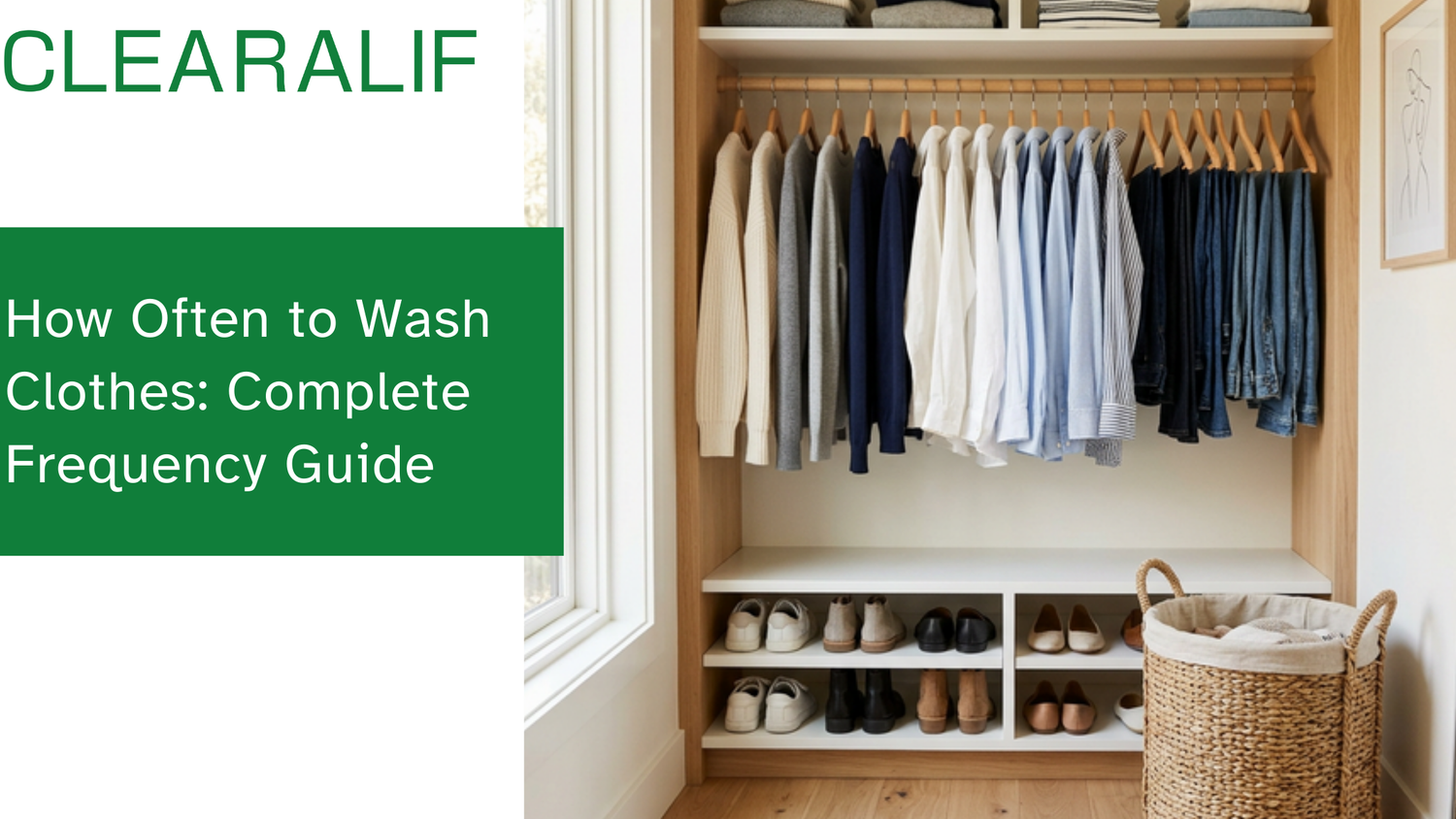
Figuring out how often to wash clothes after wearing once can feel like solving a puzzle. Should that sweater you wore for three hours go straight to the hamper? Can you wear those jeans one more time? Understanding proper clothing washing frequency isn't just about cleanliness—it's about making your wardrobe last longer while maintaining good hygiene.
The truth is, most clothes don't need washing after every single wear. Learning when to rewear clothes without washing can save you time, money, and help preserve your favorite garments.
Understanding When Clothes Actually Need Washing

The Difference Between Dirty and Worn
There's a big difference between clothes that are actually dirty and clothes that have simply been worn. Dirty clothes have visible stains, strong odors, or have absorbed sweat and oils from your body. Worn clothes might just have been on your body for a few hours without accumulating any real soil.
Many people automatically toss clothes in the hamper after any wear, but this habit can actually damage fabrics over time. Overwashing breaks down fibers, fades colors, and shortens the lifespan of your clothing.
Signs Your Clothes Need Immediate Washing
Some clear indicators mean clothes should go straight to the laundry basket:
- Visible stains or spots
- Strong body odor or absorbed smells (like cooking or smoke)
- Sweat marks or dampness
- Food spills or drink stains
- Dirt, mud, or other visible soil
If you notice any of these signs, don't hesitate to wash the item before wearing it again.
The "Sniff Test" and Other Quick Assessment Methods
The sniff test is your best friend for evaluating lightly worn clothing. Give the garment a quick smell check, focusing on areas that touch your skin directly like underarms, necklines, and cuffs.
Visual inspection works too. Look for any discoloration, wrinkles that won't shake out, or areas that look different from the rest of the fabric. If the item looks and smells fresh, it's probably fine for another wear.
Clothing Type Breakdown: Washing Frequency by Garment

Tops and Shirts (T-shirts, Blouses, Dress Shirts)
T-shirts and other close-fitting tops typically need washing after one or two wears, especially if worn directly against skin. These garments absorb sweat and body oils quickly.
Blouses and dress shirts can often go 2-3 wears if you haven't been particularly active. Pay attention to collar and cuff areas, which tend to show soil first.
Sweaters and cardigans worn over other clothes can usually handle 3-5 wears before needing a wash, depending on the fabric and how long you wore them.
Bottoms (Jeans, Pants, Skirts, Shorts)
Jeans are famous for lasting multiple wears—often 4-5 times or more before washing. The thick denim fabric doesn't absorb odors as readily as thinner materials.
Dress pants and khakis can typically go 2-3 wears, while shorts might need more frequent washing due to increased skin contact and summer heat.
Skirts follow similar rules to pants, with the washing frequency depending on fabric type and how much they touch your skin.
Undergarments and Socks
This category has zero flexibility: wash after every single wear. Underwear, bras, undershirts, and socks are in direct contact with your skin and absorb sweat, oils, and bacteria throughout the day.
Even if these items don't smell or look dirty, they need washing for hygiene reasons.
Factors That Determine Washing Frequency
Activity Level and Environment
Your daily activities dramatically affect how quickly clothes need washing. A sedentary office day is very different from a workout or outdoor work.
Hot, humid weather makes clothes dirty faster, while cool, dry conditions help garments stay fresh longer. Air quality matters too—smoky or polluted environments mean more frequent washing.
Fabric Type and Breathability
Natural fibers like cotton and wool are generally more breathable but can absorb odors more readily. Synthetic fabrics might resist stains better but can trap odors from sweat and body oils.
Merino wool has natural antimicrobial properties that resist odor buildup. Bamboo and other specialty fabrics often have similar benefits.
Personal Body Chemistry and Skin Sensitivity
Everyone's body chemistry is different. Some people naturally produce more oils or sweat, requiring more frequent washing. Others might have sensitive skin that reacts to rewearing clothes.
Pay attention to your own patterns and adjust accordingly. There's no universal rule that works for everyone.
The Art of Rewearing: Best Practices for Lightly Worn Clothes

Proper Storage Between Wears
Don't just throw lightly worn clothes back in your closet or dresser. Hang them in an open area where air can circulate, or lay them flat on a chair.
This airing-out period helps moisture evaporate and prevents odor buildup. Give clothes at least a few hours to breathe before putting them away.
Airing Out and Refreshing Techniques
Hanging clothes outside for fresh air works wonders, even for just 30 minutes. If outdoor space isn't available, hang items near an open window or in a well-ventilated room.
Steam from your shower can help refresh wrinkled clothes. Hang the item in your bathroom while you shower, then let it air dry completely.
Maximum Wear Guidelines by Garment Type
Here are general guidelines for how many times you can wear different items:
- T-shirts and tank tops: 1-2 wears
- Button-down shirts: 2-3 wears
- Jeans: 4-5 wears
- Sweaters: 3-5 wears
- Pajamas: 3-4 wears
- Bras: 2-3 wears (with rotation)
Common Washing Mistakes That Damage Clothes
Overwashing and Its Effects on Fabric
Washing clothes too frequently breaks down fibers, causes colors to fade, and can make fabrics feel rough or thin. This is especially true for delicate items like sweaters or anything with special finishes.
Using Wrong Water Temperature or Detergent
Cold water works for most laundry and is gentler on fabrics. When you do wash, using a quality detergent that dissolves well in cold water helps protect your clothes. CLEARALIF Laundry Detergent Sheets are designed to work effectively in cold water while being gentle on fabrics.
Ignoring Care Labels and Fabric Requirements
Those little tags aren't just suggestions—they're roadmaps for keeping your clothes looking their best. Some items need special care that regular washing can't provide.
Creating Your Personal Clothing Care Schedule
Weekly Laundry Planning Tips
Plan your laundry around your lifestyle, not arbitrary schedules. If you work from home, you might need less frequent washing than someone with a physical job.
Keep a mental note of what you've worn and for how long. This helps you make better decisions about rewearing versus washing.
Seasonal Adjustments to Washing Frequency
Summer heat and humidity mean more frequent washing, while winter's dry air helps clothes stay fresh longer. Adjust your habits as seasons change.
Building Sustainable Laundry Habits
Thoughtful washing practices save water, energy, and money while making your clothes last longer. It's a win-win for your wallet and the environment.
Expert Tips for Extending Time Between Washes
Layering Strategies to Protect Base Garments
Undershirts create a barrier between your skin and outer clothes, keeping shirts and sweaters cleaner longer. This simple strategy can double the wear time of many garments.
Spot Cleaning and Maintenance Techniques
Address small stains immediately with spot cleaning instead of washing the entire garment. A damp cloth or gentle stain remover can handle minor issues without a full wash cycle.
When to Invest in Higher-Quality Fabrics
Better-quality fabrics often resist odors and stains more effectively, meaning less frequent washing. While the upfront cost is higher, the long-term value often justifies the investment.
Understanding proper clothing washing frequency takes practice, but the benefits—longer-lasting clothes, lower utility bills, and less time doing laundry—make it worth mastering these laundry tips for lightly worn clothing.




Leave a comment
This site is protected by hCaptcha and the hCaptcha Privacy Policy and Terms of Service apply.