
How to Remove Discharge Stains from Underwear: Complete Guide
Dealing with discharge stains on underwear is one of those universal experiences that nobody really talks about – but absolutely everyone deals with. Whether you're wondering how to remove discharge stains from underwear or trying to figure out why your favorite black panties suddenly have bleached spots, you're definitely not alone. Let's dive into everything you need to know about tackling these stubborn stains and keeping your intimate apparel looking its best.
Understanding Why Discharge Causes Stains on Underwear
The Science Behind Vaginal pH and Fabric Bleaching
Here's the thing that might surprise you: those bleached spots on your dark underwear aren't actually a sign that something's wrong. Normal vaginal pH levels range from 3.8 to 4.5, which means your body's natural discharge is acidic. When this acidic discharge comes into contact with fabric dyes, especially in darker colors, it can literally bleach the fabric – creating those telltale light spots on black underwear.
This is completely normal and healthy! Your body is doing exactly what it should be doing to maintain a balanced environment. The bleaching effect is just an unfortunate side effect of having a properly functioning reproductive system.
Different Types of Discharge Stains and Their Causes
Not all discharge stains are created equal. Throughout your cycle, the composition of discharge changes, which affects how it interacts with fabric. Some discharge is more protein-heavy, while other times it might be more acidic. This is why white underwear turns yellow over time – those protein-based stains oxidize and create that stubborn discoloration.
Hormonal changes, medications, and even diet can affect discharge composition, which explains why you might notice staining patterns change over time. The key is understanding that this variation is totally normal.
Why Regular Detergent Isn't Always Enough
Standard laundry detergents are designed to handle everyday dirt and oils, but protein-based stains like discharge require different treatment. These stains actually bond with fabric fibers at a molecular level, which is why simply throwing stained underwear in with your regular wash often doesn't cut it.
Temperature and pH play huge roles in effective cleaning. Hot water can actually set protein stains permanently, while the wrong pH level won't break down the stain components effectively. This is also why so many people pre-treat first, then wash on cold – and why a detergent that fully dissolves in cold water (rather than leaving residue behind on already-delicate fabric) makes the routine easier to stick with. (If you're new to washing everything cold, our guide to cold water laundry tips walks through how to get a thorough clean without the heat.)
Pre-Treatment Methods for Fresh Discharge Stains

Immediate Action Steps for New Stains
The golden rule with any stain is to act fast. As soon as you notice a fresh discharge stain, rinse it with cold water immediately. Always blot, never rub – rubbing pushes the stain deeper into the fabric fibers and can actually make it worse.
When you're away from home, don't panic. Even dabbing with a damp paper towel in a restroom can help prevent the stain from setting until you can properly treat it later.
Natural Pre-Treatment Solutions
White vinegar is your best friend here. Mix one part white vinegar with two parts cold water and let the stained area soak for 15–30 minutes before washing. The acid in vinegar helps neutralize the proteins in discharge stains.
For white fabrics, you can also try a paste made from baking soda and water. Let it sit for about an hour before rinsing. Lemon juice works similarly on white fabrics, but never use it on colored underwear as it can cause additional bleaching.
Hydrogen peroxide can be effective for spot treatment, but test it on a hidden area first and never use it on colored fabrics.
Commercial Pre-Treatment Products That Work
Look for enzyme-based pre-treatments specifically designed for protein stains. These products contain enzymes that break down the proteins in discharge, making them much easier to wash away.
Oxygen bleach is generally safer for colored fabrics than chlorine bleach, but always check the care label first. Some delicate fabrics and certain dyes can still be damaged by oxygen bleach.
Step-by-Step Stain Removal for White Underwear
Removing Yellow Discharge Stains from White Cotton
Start by soaking the stained underwear in cold water mixed with oxygen bleach. Follow the package directions for ratios, but typically you'll want to soak for at least 30 minutes for fresh stains, or up to several hours for older, set-in stains.
After soaking, gently scrub the stained area with a soft-bristled toothbrush. Work from the outside of the stain toward the center to avoid spreading it. You might need to repeat this process several times for stubborn stains.
Whitening Treatments for Stubborn Set-In Stains
For really tough yellow stains, try making a paste with hydrogen peroxide and baking soda. Apply it to the stain and let it sit for an hour before washing. The combination creates a powerful but fabric-safe whitening action.
Sun-bleaching is another natural option – after treating and washing, hang your white underwear in direct sunlight while damp. The UV rays help break down remaining stain particles.
Restoring Brightness Without Damaging Fabric
Remember that underwear has elastic components that can be damaged by harsh treatments. Always use the gentlest method that's effective, and avoid soaking elastic waistbands in bleach solutions for extended periods.
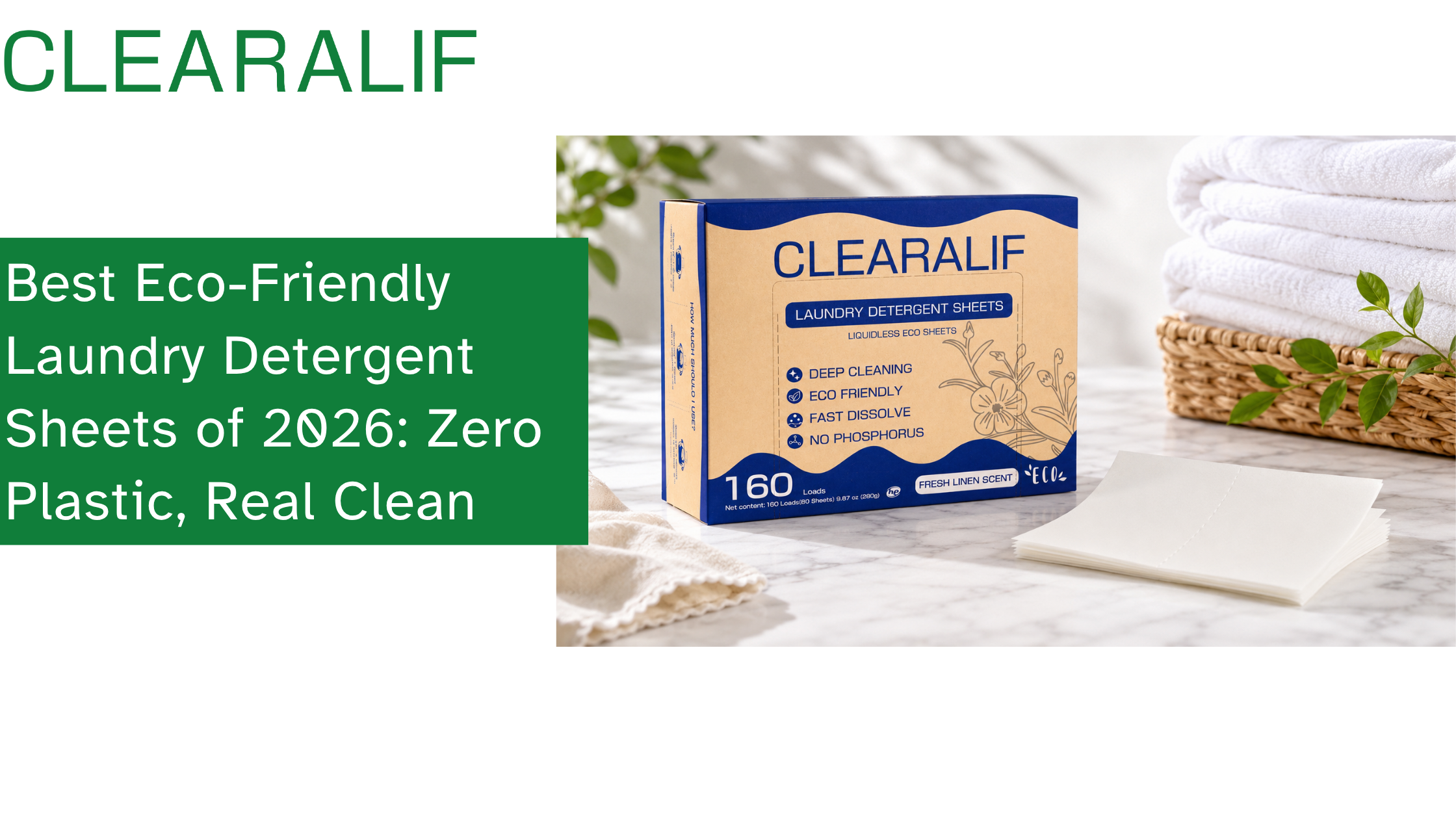
For the final wash after pre-treating, a gentle detergent matters more than people realize. CLEARALIF's Unscented Laundry Detergent Sheets are fragrance-free and dissolve completely in cold water, which is exactly what you want when you're washing delicate intimate apparel – no leftover residue, no added perfumes against sensitive skin, and full cleaning power without the heat that sets protein stains.
Fixing Bleached Spots on Dark and Black Underwear
Understanding Acid Bleaching vs Chemical Bleaching
Unfortunately, when your body's natural acids bleach dark fabric, that's usually permanent damage. Unlike chemical bleaching from products, acid bleaching actually removes the dye from the fabric rather than just lightening it.
This means you need to set realistic expectations – you're not going to restore the original color completely, but you can minimize the appearance of bleached spots.
DIY Methods to Minimize Bleached Areas
Fabric markers designed for clothing can help camouflage small bleached spots. Choose a color that matches your underwear as closely as possible and carefully color in the bleached areas.
For a more natural approach, strong black tea or coffee can sometimes help darken bleached spots on black fabric. Brew a very strong solution, let it cool, and dab it onto the bleached areas. This is temporary and will wash out over time, but it can help extend the life of your underwear.
When to Replace vs Repair Bleached Underwear
Consider the extent of the damage and the cost of the underwear. If the bleached spots are small and in less visible areas, touch-up methods might be worth trying. But if there's extensive bleaching or if the underwear was inexpensive to begin with, replacement might be more practical.
Prevention Strategies and Daily Care Tips
Choosing the Right Underwear Materials and Colors
Cotton is generally the most stain-resistant and easiest to clean, plus it's breathable which is better for your health anyway. Darker colors like navy, brown, or patterned underwear tend to hide stains better than pure black or white.
Consider investing in higher-quality underwear with colorfast dyes if you frequently deal with bleaching issues. While more expensive upfront, they often last longer and resist staining better.
Daily Habits to Minimize Staining
Change your underwear daily, and consider changing twice a day during times when discharge is heavier. This prevents stains from setting and reduces the acidic exposure time on fabric.
Rinse underwear in cold water before putting it in the hamper if you notice any discharge. Even this simple step can prevent stains from setting. When it's time for the full wash, washing intimates on a gentle cold cycle – with a fragrance-free detergent that rinses clean – keeps fabric and elastic in good shape far longer.
The Bottom Line
Discharge stains are a normal part of life, and with the right techniques, they don't have to ruin your favorite underwear. Remember that your body's natural processes are healthy and normal – the staining is just an unfortunate side effect that we can manage with proper care techniques.
The key is understanding what type of stain you're dealing with, acting quickly when possible, and using the right treatment methods for your specific fabric and color. With a little knowledge and the right approach, you can keep your intimate apparel looking fresh and extend its lifespan significantly. (For more on protecting fabric across your whole wardrobe, see our tips on how to make clothes last longer.)
Don't let stains stress you out – armed with these techniques, you've got everything you need to tackle whatever your laundry basket throws at you!
 |
Gentle on intimates, every wash CLEARALIF Unscented sheets are fragrance-free, dissolve fully in cold water, and leave no residue behind – ideal for washing delicates without harsh additives or perfumes. Shop Unscented Sheets |
— The CLEARALIF Team






Leave a comment
This site is protected by hCaptcha and the hCaptcha Privacy Policy and Terms of Service apply.